 Save to Pinterest
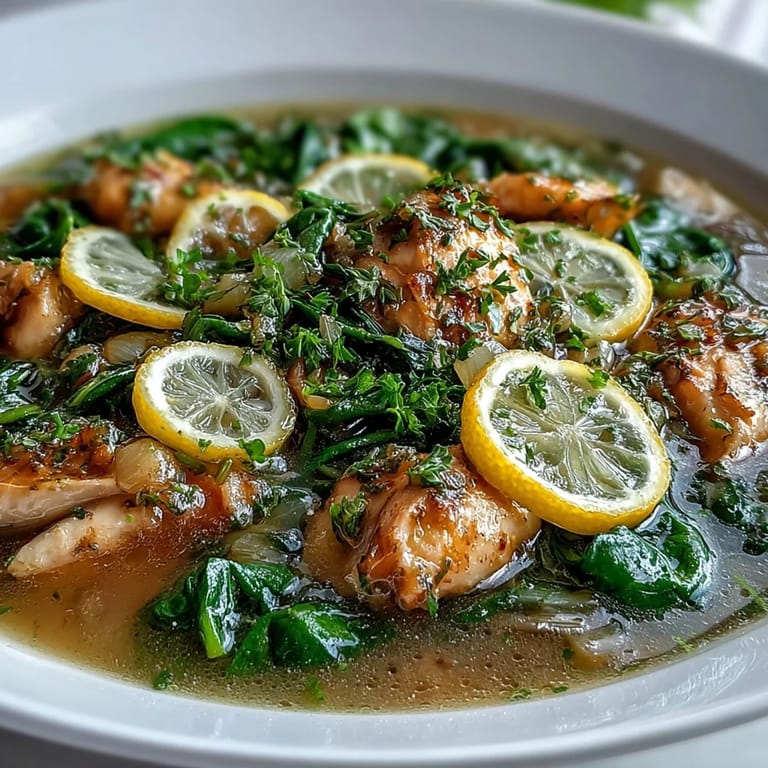
 There's something about the smell of lemon hitting hot oil that makes me pause mid-cooking, just to breathe it in. One rainy Tuesday, I had chicken thighs staring at me from the fridge, a half-empty box of orzo, and the sudden urge to make something that felt both light and satisfying. This one-pot wonder came together almost by accident, but it's been in steady rotation ever since—the kind of dish that tastes like spring even when it's not, and comes together faster than takeout.
I made this for my neighbor Sarah last month when she mentioned craving something 'comforting but not heavy.' Watching her fork into it, close her eyes, and just nod said everything—no words needed. She asked for the recipe on the spot, and now I see her car in the driveway on weeknights and smile, wondering if she's making it again.
Ingredients
- Chicken breasts or thighs: Thighs stay juicier if you're not watching carefully, but breasts work beautifully if you cook them just until done—a meat thermometer reading 165°F is your friend here.
- Orzo pasta: This tiny rice-shaped pasta is the secret to the creamy texture; it releases starch as it cooks and creates its own sauce.
- Fresh baby spinach: It wilts into almost nothing, so don't be shy with the pile—it's mostly air and goodness.
- Lemon zest and juice: Use a microplane to get the zest; it's where all the bright flavor lives, so don't skip it or substitute with extract.
- Low-sodium chicken broth: The low-sodium part matters because you'll be reducing the liquid and concentrating the salt.
- Olive oil: Good olive oil makes a difference here since it's not cooked down into obscurity—use something you wouldn't mind drinking straight.
- Parmesan cheese: Optional but creates a subtle creaminess, or skip it entirely for a cleaner, dairy-free version.
- Dried oregano: It blooms when it hits the warm oil, so toast it for a few seconds before adding the broth.
- Salt, pepper, and red pepper flakes: Start conservative; you can always add more, but you can't take it back out.
Tired of Takeout? 🥡
Get 10 meals you can make faster than delivery arrives. Seriously.
One email. No spam. Unsubscribe anytime.
Instructions
- Sear the chicken until it's golden and set it aside:
- Heat the olive oil over medium-high heat until it shimmers slightly, then add the chicken pieces in a single layer. Let them sit for a minute before stirring—you want that golden crust. Once cooked through (about 5-6 minutes), move them to a clean plate; they'll finish cooking later.
- Build your flavor base with onion and garlic:
- In the same pot, soften the chopped onion for a couple minutes until it turns translucent, then add the minced garlic and cook until the smell is almost intoxicating. This takes maybe 30 seconds, so watch it carefully.
- Toast the orzo in oil and aromatics:
- Add the uncooked orzo and oregano to the pot, stirring constantly for about a minute. You'll feel the texture change under the spoon as the pasta toasts—this step matters because it adds a subtle nutty flavor.
- Simmer the orzo in broth until tender:
- Pour in the chicken broth and bring it to a gentle boil, then turn the heat down to medium-low. Stir occasionally and taste after 10 minutes; the pasta should be creamy but not mushy, and most of the liquid absorbed but not completely dry.
- Bring the chicken back and finish with spinach and lemon:
- Return the cooked chicken to the pot along with the spinach, lemon zest, and juice. Stir until the spinach wilts into the warm mixture, which takes only a minute or two.
- Taste, adjust, and serve:
- Add the Parmesan if you're using it, taste everything carefully, and add more salt, pepper, or lemon juice until it tastes like the best version of itself. Serve immediately while it's hot.
 Save to Pinterest
 My daughter came home from soccer practice once to find this simmering on the stove, and before I could even say hello, she was asking if we were eating soon. That's when I knew this recipe had crossed from 'something I make' to 'something we actually want to eat.'
Why Lemon Makes All the Difference
Lemon is the unsung hero here—it's what makes this feel fresh and alive instead of heavy and starchy. The zest adds a complexity that juice alone can't do; they're partners. I learned early on not to add the lemon at the beginning because heat destroys its brightness, so it always goes in at the very end, almost like a final exhale before the dish is done.
Customizing for Your Mood
This recipe is forgiving and flexible in the best way. If you love heat, red pepper flakes are your answer; if you want earthiness, swap half the spinach for arugula or kale. I've added sun-dried tomatoes on weekends when I'm feeling fancy, and nobody's complained yet. The core of the dish—tender chicken, creamy orzo, brightness—stays the same no matter what you're in the mood for.
Serving and Pairing Ideas
This dish is complete on its own, but it loves a crisp white wine like Sauvignon Blanc or Pinot Grigio to echo the lemon notes. A simple green salad on the side adds texture contrast without stealing the spotlight. I've even served it at casual dinner parties, and people are always surprised by how something this simple tastes so considered and intentional.
- Pair with crusty bread to soak up every last drop of the broth.
- Add a squeeze of fresh lemon at the table for anyone who wants extra brightness.
- Keep grated Parmesan and extra lemon zest at the table so everyone can finish it their own way.
 Save to Pinterest
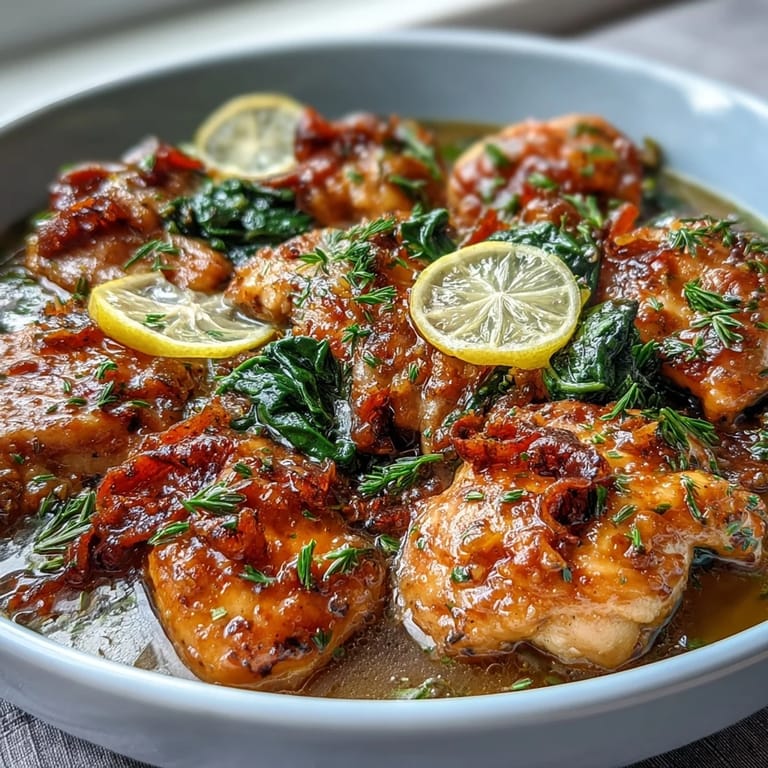
 This recipe has become my answer to 'what's for dinner?' on nights when I want to feel like I've actually cooked something. It's proof that the simplest meals, made with attention and good ingredients, are often the ones people remember.
Recipe Questions & Answers
- → Can I substitute the chicken with another protein?
Yes, turkey or tofu are good alternatives that work well with the lemon and spinach flavors.
- → How can I make this dairy-free?
Simply omit the Parmesan cheese or use a plant-based cheese substitute for a creamy finish without dairy.
- → What can I use instead of orzo pasta?
Small pasta shapes like acini di pepe or Israeli couscous can be substituted, adjusting cooking time as needed.
- → Is it possible to add more vegetables?
Yes, diced sun-dried tomatoes, artichoke hearts, or baby kale can add extra flavor and texture.
- → How do I avoid overcooking the spinach?
Add the spinach last and stir until just wilted to preserve its vibrant color and nutrients.