 Save to Pinterest
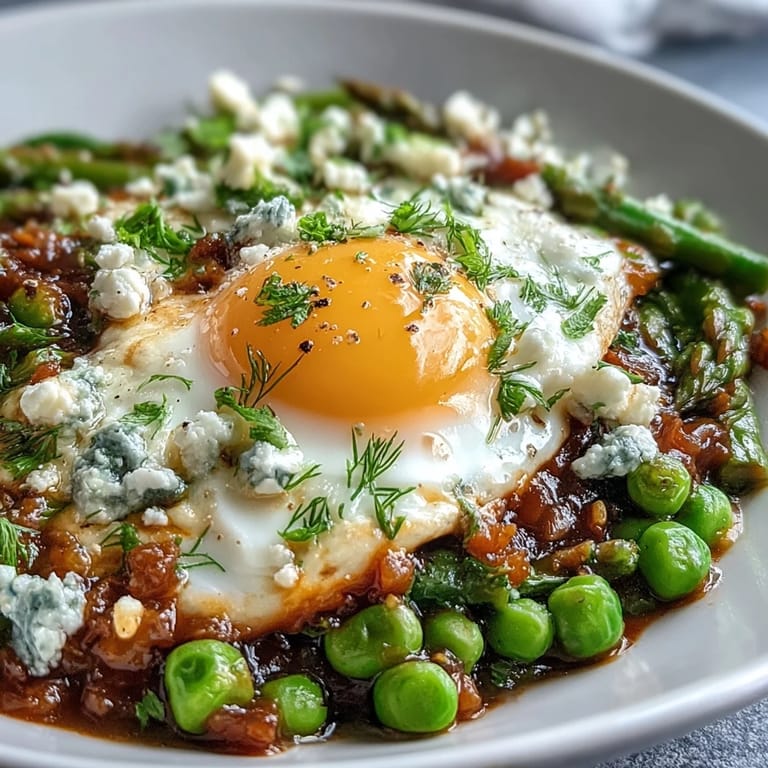
 Last spring, I stood in my kitchen on a Wednesday evening, staring at a bunch of asparagus that seemed too beautiful to simply roast. My neighbor had just dropped off a handful of broad beans from her garden, still in their pods, and suddenly the idea clicked: shakshuka, but green and vibrant instead of the deep red versions I'd made a hundred times. That first attempt was messy and joyful, with eggs sliding around in the sauce like they couldn't quite decide where to settle, and I realized this was the dish I'd been waiting to cook when winter finally loosened its grip.
I made this for four friends on a sunny April afternoon, and watching them tear into warm flatbread to scoop up the eggs and sauce reminded me why I cook at all. Someone asked for the recipe before they'd even finished eating, which felt like the highest compliment a dish could receive in that moment.
Ingredients
- Olive oil: Use good quality if you have it, since it's one of the few fats carrying all the flavor here.
- Onion: Finely chopped means it melts into the sauce completely, building sweetness without texture.
- Garlic: Minced small so it distributes evenly and doesn't overpower the delicate vegetables.
- Red bell pepper: Adds sweetness and those beautiful flecks of color that make the dish look alive.
- Asparagus: Cut into bite sized pieces so they stay tender and don't overshadow the other vegetables.
- Fresh or frozen peas: Frozen works brilliantly here since they're picked at peak ripeness and cook evenly.
- Fresh or frozen broad beans: These give the dish body and that distinctly spring flavor that makes people pause mid bite.
- Canned tomatoes: A reliable foundation that lets the herbs and spices shine without competing.
- Tomato paste: Deepens the sauce and gives it the richness that makes everything taste more intentional.
- Ground cumin: Warm and slightly earthy, it's the backbone of the spice blend.
- Smoked paprika: This is what tricks people into thinking you've been cooking for hours, adding depth with just a sprinkle.
- Ground coriander: Adds a subtle floral note that ties the whole dish together beautifully.
- Chili flakes: Optional, but I always add them because that tiny whisper of heat makes everything taste more alive.
- Eggs: Use the freshest you can find, since they're the star and their quality shows.
- Fresh parsley or mint: The final flourish that wakes everything up just before serving.
- Feta cheese: Optional but highly recommended, the salty tang is worth the ingredient.
- Lemon wedges: Serve alongside so people can squeeze in exactly as much brightness as they want.
Tired of Takeout? 🥡
Get 10 meals you can make faster than delivery arrives. Seriously.
One email. No spam. Unsubscribe anytime.
Instructions
- Warm your oil and build the base:
- Heat the olive oil in your skillet over medium heat, then add the chopped onion. Let it cook gently for four to five minutes, stirring occasionally, until it's soft and turning translucent at the edges. This isn't a rush, this is where the sweetness comes from.
- Add the aromatics and peppers:
- Stir in the minced garlic and diced red bell pepper, then cook for another two to three minutes until the pepper begins to soften slightly. You should smell something wonderful by now, that early hint of dinner coming together.
- Toast the spices:
- Add your cumin, smoked paprika, ground coriander, and chili flakes if you're using them. Fry for exactly one minute, stirring constantly, so the spices release their essential oils and perfume the whole pan. This step is non negotiable for flavor.
- Build the sauce:
- Stir in the tomato paste first, coating everything lightly, then add your canned tomatoes with a pinch of salt and pepper. Simmer uncovered for ten minutes, stirring occasionally, until the sauce thickens and darkens slightly. Taste it now and adjust the salt, because this is your chance before the eggs go in.
- Add the spring vegetables:
- Tip in the asparagus, peas, and broad beans, stirring to distribute them evenly throughout the sauce. Cover the pan and let them cook for seven to eight minutes, until they're tender but still bright and holding their shape. Don't skip the cover, it lets everything steam gently and finish together.
- Nestle in the eggs:
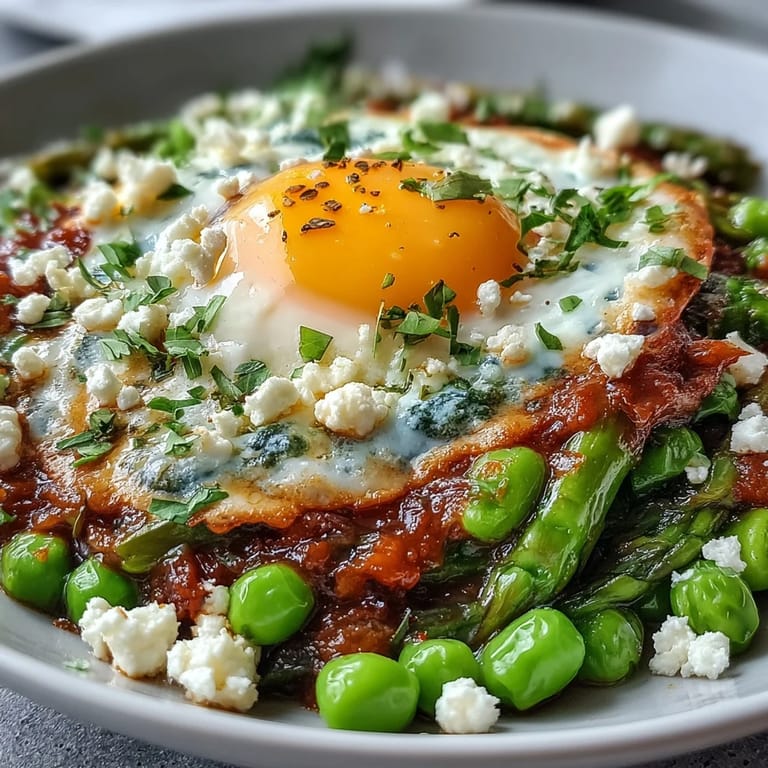
- Using the back of your spoon, make small shallow wells in the sauce, spacing them so each egg has its own little pocket. Crack your eggs directly into these wells, then cover the pan again and reduce the heat to low. Cook gently for five to seven minutes, checking after five to see if the whites are set while the yolks still jiggle slightly when you shake the pan. The timing depends on how runny you like them, so trust your instincts here.
- Finish and serve:
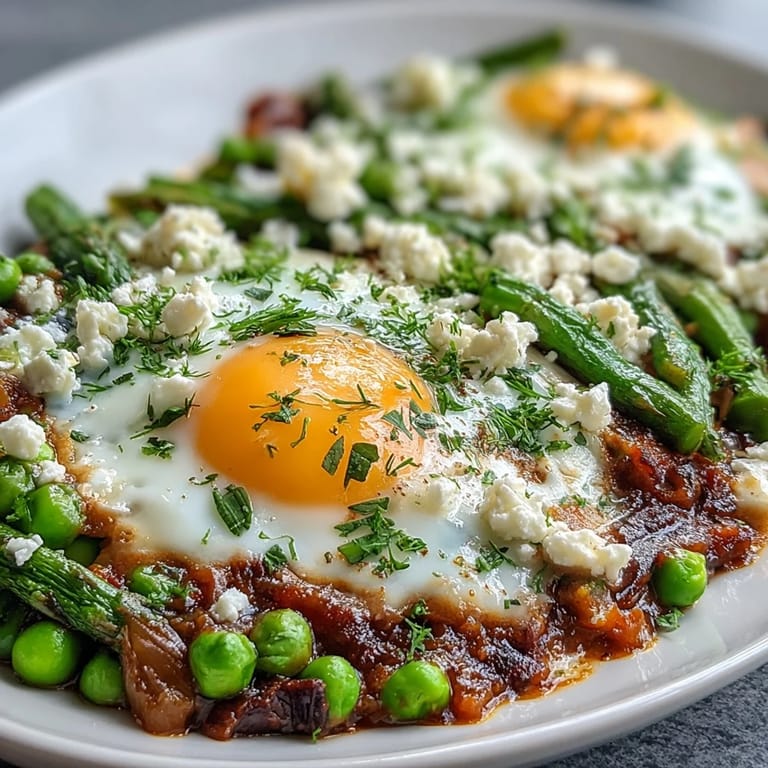
- Remove from heat and scatter the fresh parsley or mint over the top, along with crumbled feta if you're using it. Serve immediately with lemon wedges and warm bread, letting people dive in while everything is still steaming and perfect.
 Save to Pinterest
 There's a moment when you crack that first egg into the sauce and watch it start to poach, when you realize this dish is humble enough for a quiet Tuesday dinner but beautiful enough to celebrate something worth remembering. That's when I know I'm cooking something worth sharing.
Making It Your Own
This recipe is more invitation than instruction, honestly. I've made it with spinach wilting into the sauce at the end, with zucchini diced small and added alongside the asparagus, with a pinch more chili flakes for people who like heat, and even without the eggs entirely when I had friends visiting who don't eat them. The skeleton of the dish is strong enough to handle whatever vegetables are calling to you from the market or your garden.
Serving Suggestions
Shakshuka is meant to be shared, ideally still in the warm pan so people can help themselves and the bread can soak up the sauce in every bite. I've served it for lazy weekend breakfasts, casual dinner parties, and quiet lunches when I needed something that felt both nourishing and celebratory.
Storage and Make Ahead
You can make the sauce completely ahead of time, storing it in the refrigerator for up to three days, then simply reheat and add the eggs when you're ready to eat. Leftovers keep for a couple of days, though the eggs won't have the same silky quality, so eat them first and save any remaining sauce for reheating later.
- Freeze the tomato sauce base without the vegetables for up to two months, giving you a shortcut to spring dinner any time of year.
- If you're making this vegan, add drained canned chickpeas where the eggs would go and cook covered for just a few minutes to warm them through.
- Serve with warm pita, sourdough, or any flatbread you love, because the sauce deserves an edible vessel.
 Save to Pinterest
 This shakshuka tastes like possibility, like all those moments when cooking becomes less about feeding yourself and more about creating something worth gathering around. Make it, share it, and watch how a simple pan of eggs and vegetables brings people a little closer together.
Recipe Questions & Answers
- → Can I use frozen vegetables instead of fresh?
Yes, frozen peas and broad beans work perfectly in this dish. Simply add them directly to the sauce without thawing, and cook until tender. They may need an extra minute or two compared to fresh vegetables.
- → How do I know when the eggs are done?
The whites should be fully set and opaque, while the yolks remain slightly runny. This usually takes 5-7 minutes covered. For firmer yolks, cook for an additional 2-3 minutes.
- → What can I serve with this shakshuka?
Crusty bread, warm pita, or flatbread are perfect for dipping into the sauce and runny yolks. You could also serve over rice or with a simple green salad for a lighter meal.
- → Can I make this vegan?
Simply omit the eggs and feta cheese. Add drained canned chickpeas or white beans during the vegetable cooking stage for protein. The finished dish remains hearty and satisfying.
- → How spicy is this dish?
The chili flakes provide gentle warmth. For a milder version, reduce to ¼ teaspoon or omit entirely. For more heat, add extra flakes or include a chopped fresh chili with the garlic.