 Save to Pinterest
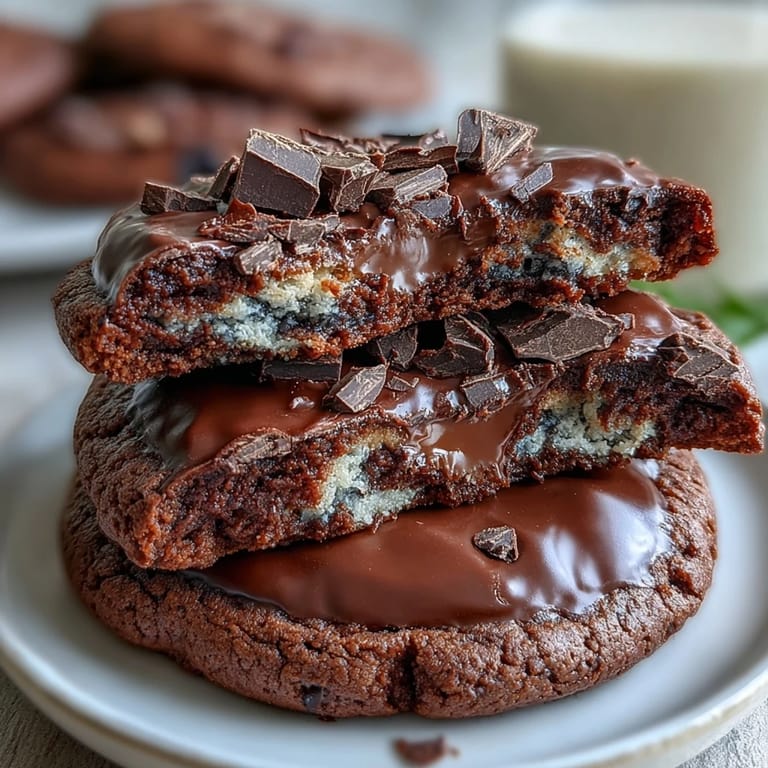
 There's something about dark chocolate that demands to be paired with vanilla, like they've been waiting for each other all along. I stumbled onto these cookies late one evening while reorganizing my spice cabinet, noticing how my vanilla extract had darkened slightly from age, and it struck me that older vanilla has this almost mysterious depth to it. That night, I decided to build a cookie around that moody, shadowy quality, something rich enough to feel indulgent but familiar enough to bake on a Tuesday. The result was these chewy, dark chocolate cookies with just enough vanilla and a whisper of almond extract to make you pause mid-bite and wonder what makes them taste so complete.
I made a batch of these for my sister's book club last month, and I'll never forget how she bit into one, closed her eyes, and asked if I'd been holding out on her. She said they tasted like something you'd find at a boutique bakery, which made me laugh because the secret is really just respecting the ingredients and not fussing with them too much. That moment reminded me why baking matters so much more than we sometimes give it credit for—it's one of the few ways we can hand someone a small piece of care and have them taste it immediately.
Ingredients
- All-purpose flour (1 3/4 cups): This is your structure, and measuring by weight is genuinely worth the effort here since it keeps the cookies from spreading too thin.
- Dutch-process cocoa powder (1/2 cup): The darker, more refined cousin of regular cocoa, it brings a sophisticated note that makes these feel less like everyday treats and more like something deliberately crafted.
- Baking soda (1 tsp): This is what gives you those lightly crispy edges while keeping centers soft—don't skip it or substitute it with baking powder.
- Fine sea salt (1/2 tsp): A small pinch that makes the chocolate taste more intensely chocolatey by contrast.
- Unsalted butter (3/4 cup, softened): Softening it properly means you're not fighting with your mixer and you'll get a lighter, fluffier creamed mixture from the start.
- Dark brown sugar (1 cup, packed): The molasses content gives these cookies their chewy texture and a subtle caramel undertone that plays beautifully with dark chocolate.
- Granulated sugar (1/2 cup): This helps spread the cookies slightly and adds crispness to the edges without overwhelming the brown sugar's complexity.
- Large eggs (2, room temperature): Room temperature means they emulsify better with the butter, creating a smoother dough that bakes more evenly.
- Pure vanilla extract (2 tsp): Use the real thing here—it's one of only a handful of ingredients, so there's nowhere to hide if you use the imitation version.
- Almond extract (1/2 tsp, optional): This is the secret whisper that makes people wonder what that extra flavor is, so I almost always include it despite it being marked optional.
- Dark chocolate chunks (1 1/4 cups, 70% cocoa): The cocoa percentage matters because it balances the sweetness without turning bitter, and chunks feel more intentional than chips.
- Whole milk (1/2 cup): This creates a tender crumb and adds subtle richness that you won't identify as milk but will notice as missing if you leave it out.
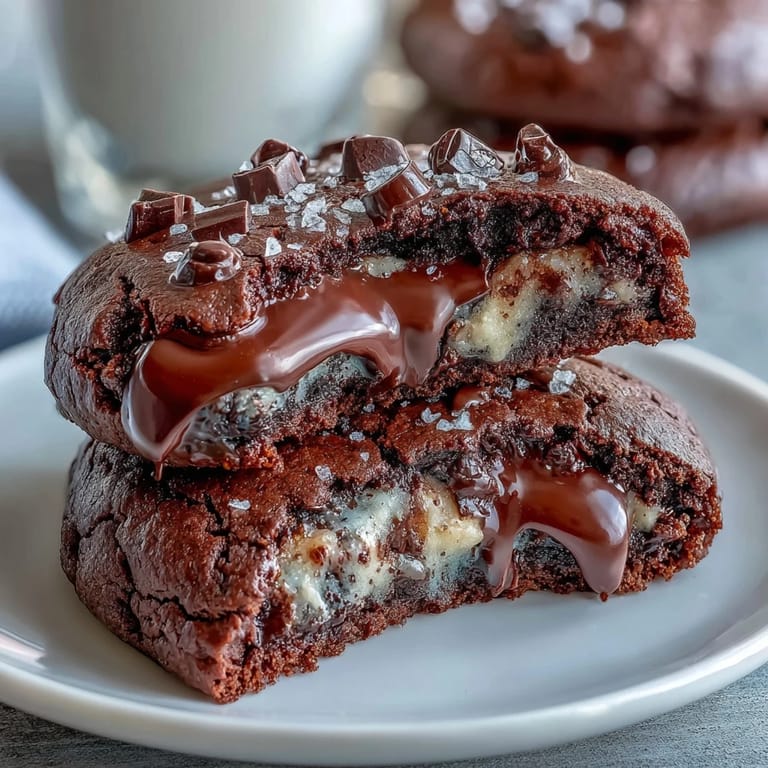
- White chocolate chips (1/2 cup): These melt slightly during baking and create little pockets of vanilla sweetness that feel like discovering treasure in every bite.
Tired of Takeout? 🥡
Get 10 meals you can make faster than delivery arrives. Seriously.
One email. No spam. Unsubscribe anytime.
Instructions
- Get your oven ready and line your workspace:
- Preheat to 350°F and cover two baking sheets with parchment paper—this matters more than it sounds because parchment prevents sticking and helps cookies bake more evenly. Do this step first so you're not scrambling while dough sits around.
- Combine your dry ingredients:
- Whisk together flour, cocoa powder, baking soda, and salt in a medium bowl, breaking up any cocoa clumps as you go. Set it aside and resist the urge to add the wet ingredients yet.
- Cream butter and sugars until they're light and fluffy:
- Beat the softened butter with both sugars for about 2 to 3 minutes until the mixture looks pale and noticeably fluffier than when you started. This step is where the magic happens—you're basically beating air into the mixture, which creates structure for the cookies.
- Add eggs and extracts one at a time:
- Add eggs individually and beat well after each one, then mix in vanilla and almond extracts until everything is fully combined. The mixture should look smooth and somewhat shiny at this point.
- Alternate wet and dry ingredients, starting and ending with dry:
- Pour about half the dry mixture into the wet ingredients, mix gently, then add half the milk, mix again, then finish with the remaining dry ingredients. This technique keeps you from overmixing, which would make cookies tough instead of tender.
- Fold in chocolate gently:
- Add both the dark and white chocolate pieces using a spatula with a gentle folding motion rather than aggressive stirring, keeping as much air in the dough as possible. The goal is distribution without deflation.
- Scoop dough onto baking sheets:
- Use about 2 tablespoons of dough per cookie and space them 2 inches apart because they'll spread slightly during baking. If you don't have a cookie scoop, two spoons work fine—just try to keep them roughly the same size.
- Bake until edges are set but centers stay soft:
- Watch for 11 to 13 minutes, looking for cookies that have firm edges but still look slightly puffy and underdone in the middle. This is the key to chewy texture—slightly underbaked is exactly right.
- Cool strategically on the sheet then transfer:
- Leave them on the baking sheet for 5 minutes so they set up enough to move without falling apart, then transfer to a wire rack to cool completely. This two-step cooling process prevents them from being too fragile or too firm.
 Save to Pinterest
 I learned the importance of not overbaking these cookies the hard way, pulling out a batch that looked pale in the center and immediately panicking, only to have them harden into hockey pucks five minutes later. Now I set a timer for 11 minutes and check at that point rather than waiting for the full 13, and suddenly every batch comes out exactly the way I want them. That small adjustment changed everything about whether these cookies became a regular part of my baking rotation or something I'd attempt once and abandon.
The Science of Chewy Cookies
Chewy cookies exist in this delicate balance between moisture and structure, which is why the milk in this recipe does so much heavy lifting beyond just flavor. The brown sugar brings molasses, which naturally holds moisture, and the Dutch-process cocoa powder adds both richness and a subtle dryness that prevents the cookies from spreading too thin. Understanding these interactions means you can troubleshoot if something goes slightly wrong—too cakey means more brown sugar next time, too flat means slightly less milk or more flour.
Why This Cookie Combination Works
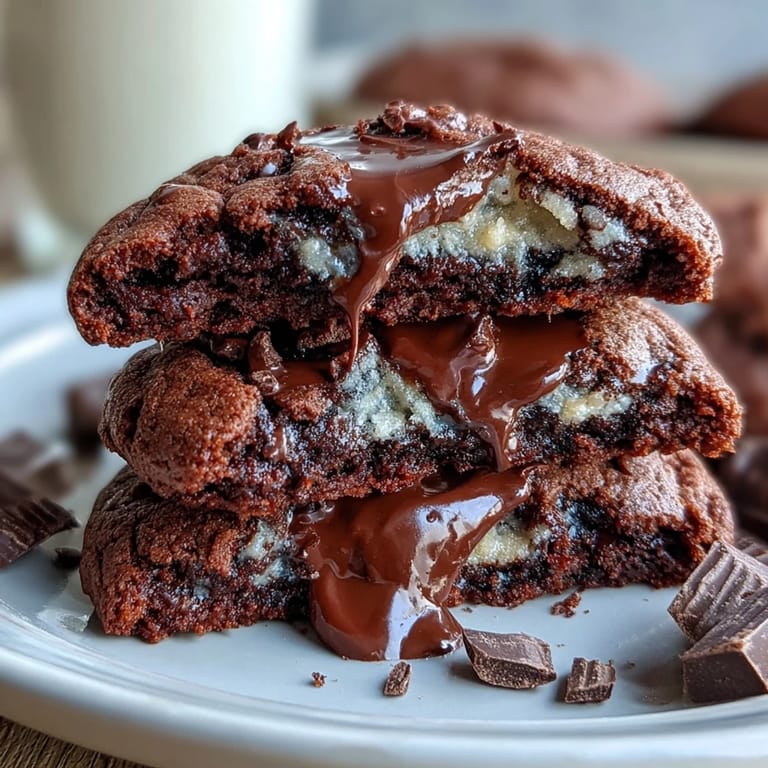
Dark chocolate and vanilla are classic partners, but adding that gentle hint of almond extract elevates them into something more interesting and complex. The white chocolate chips create little moments of sweetness that contrast with the deeper tones of the dark chocolate, and the whole milk softens everything just enough to make you want another one immediately. It's the kind of balance that feels effortless when it's actually the result of thinking through every single ingredient.
Storage, Serving, and Small Customizations
These cookies keep remarkably well in an airtight container for about five days, though honestly they rarely last that long in my house. You can store them at room temperature or even in the refrigerator if you prefer them firmer, and they actually taste better the next day once the flavors have mellowed slightly into each other. For serving suggestions, these pair perfectly with cold milk, dark roast coffee, or even a small glass of bourbon if you're feeling fancy.
- If you want them saltier and more sophisticated, sprinkle a tiny pinch of flaky sea salt on top right before baking.
- For a dairy-free version, substitute plant-based milk and use dairy-free chocolate chips without changing anything else about the recipe.
- These freeze beautifully both as dough and as baked cookies, so you can always have cookie dough ready whenever the craving strikes.
 Save to Pinterest
 These cookies have become the thing I bake when I want to feel like myself again, when the kitchen needs to smell like something rich and intentional. They're humble enough for a weeknight but special enough to share with people you care about, which might be the best thing a cookie can be.
Recipe Questions & Answers
- → What type of chocolate is best to use?
Use 70% cocoa dark chocolate chunks for a rich, intense flavor that balances the sweetness in the dough.
- → Can I substitute the milk used in the dough?
Yes, plant-based milk such as almond or oat can be used to accommodate dietary preferences without sacrificing moisture.
- → Why is Dutch-process cocoa powder recommended?
Dutch-process cocoa provides a smoother, less acidic chocolate flavor that complements the vanilla and dark chocolate chunks well.
- → How can I get soft centers with crisp edges?
Bake at 350°F for about 12 minutes and remove cookies as soon as edges set; centers remain slightly puffy and soft.
- → Is almond extract necessary in the mixture?
Almond extract is optional but adds depth and complexity, enhancing the overall aromatic profile of the cookies.